Old Street builders waste removal tips for Shoreditch renovations
Posted on 13/10/2026

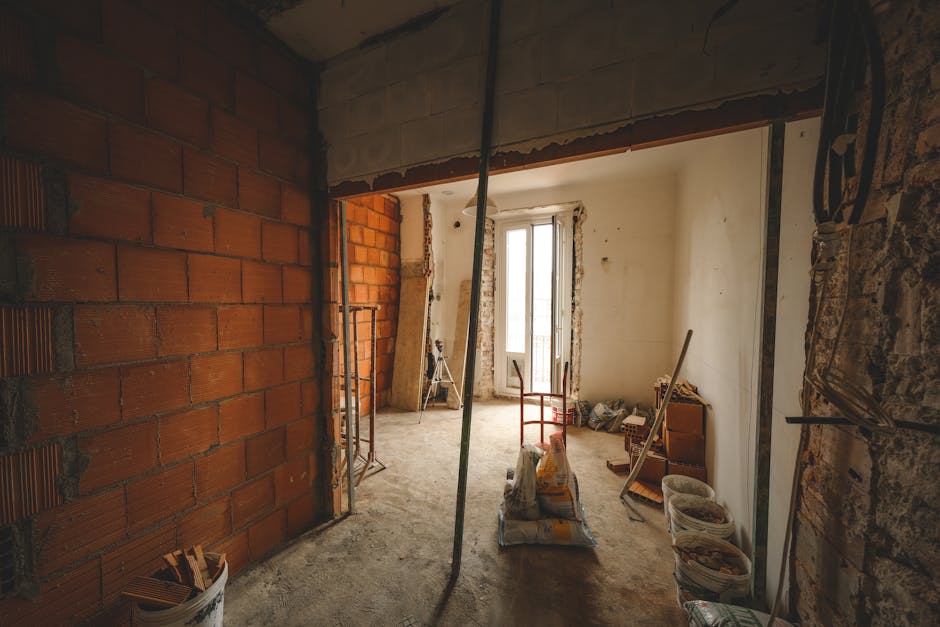
Renovating in Shoreditch is rarely a neat, empty-site affair. One minute you are measuring up a kitchen knock-through near Old Street, the next you are standing in a hallway full of broken plasterboard, timber offcuts, dusty bagged rubble, and a door that definitely looked smaller before the works started. That is exactly why Old Street builders waste removal tips for Shoreditch renovations matter: not as an afterthought, but as part of the build itself.
Good waste removal keeps the site moving, helps prevent avoidable delays, and makes life easier for everyone on a busy London street. It also reduces the risk of unsafe stacking, neighbour complaints, and that familiar moment when a renovation starts to feel more like a logistics puzzle than an improvement project. In this guide, we will walk through how it works, what to plan for, where people trip up, and how to choose the right approach for your project.
Table of Contents
- Why Old Street builders waste removal tips for Shoreditch renovations Matters
- How Old Street builders waste removal tips for Shoreditch renovations Works
- Key Benefits and Practical Advantages
- Who This Is For and When It Makes Sense
- Step-by-Step Guidance
- Expert Tips for Better Results
- Common Mistakes to Avoid
- Tools, Resources and Recommendations
- Law, Compliance, Standards, or Best Practice
- Options, Methods, or Comparison Table
- Case Study or Real-World Example
- Practical Checklist
- Conclusion
- Frequently Asked Questions
Why Old Street builders waste removal tips for Shoreditch renovations Matters
Shoreditch properties have a habit of keeping builders on their toes. Tight access, shared entrances, mixed-use streets, awkward parking, and neighbours who may be working from home all change the rhythm of a renovation. In that setting, waste is not just rubbish. It is a planning issue, a safety issue, and often a time issue too.
If skip placement, bagging, loading, and collection are not thought through early, the site clogs up fast. Dust spreads. Access narrows. Trades spend time shifting waste around instead of getting on with the actual job. Truth be told, even a small bathroom refurb can generate more debris than people expect once tiles, plaster, old fixtures, packaging, and broken fittings start piling up.
There is also the local reality of London streets. On a busy stretch near Old Street, you are rarely dealing with a blank canvas. Vans need space, pedestrians still need access, and waste left too long can make the site look unmanaged. That can strain relationships with neighbours and, in some cases, create avoidable complaints. Nobody wants a good renovation remembered for the mountain of rubble outside the front door.
Done well, builders waste removal becomes part of the project's tempo. Materials come out in controlled stages, the site stays safer, and the team can keep moving without the dreaded "where are we putting this lot?" conversation every fifteen minutes. Let's face it, that conversation ages fast.
How Old Street builders waste removal tips for Shoreditch renovations Works
At a practical level, builders waste removal is the process of sorting, collecting, moving, and disposing of construction debris from a renovation site. In Shoreditch, that usually means deciding how waste will leave the property, how often it should be removed, and where it will go once it does.
For a renovation near Old Street, the process often starts with identifying the main waste streams. These might include:
- brick, concrete, and rubble
- timber and joinery offcuts
- plasterboard and broken plaster
- metal, cables, and fixings
- old kitchen or bathroom fittings
- packaging, pallets, and protective materials
- mixed waste from strip-out stages
Different materials behave differently on site. Heavy rubble fills space quickly and adds weight. Light but bulky items, like broken cabinets or insulation, eat up volume. If everything is thrown together without thought, the waste becomes harder to move and less efficient to remove. That is where a bit of planning pays off.
There are usually a few practical removal methods available: scheduled collections, on-demand clearances, mixed waste loads, or a combination of containerised storage and phased pick-ups. The right setup depends on the size of the job, the access at the property, and how fast the works are progressing. A one-room refurb is one thing. A multi-week flat conversion with trades coming and going is another matter entirely.
If you want a broader sense of available services, it can help to review the site's services overview alongside the more specific builders waste disposal in Shoreditch option. For jobs where waste is only one part of a bigger tidy-up, the broader waste clearance in Shoreditch page can also be useful.
Key Benefits and Practical Advantages
Good waste removal does more than stop a site from looking messy. It changes how a renovation feels day to day.
1. Better site flow
When waste leaves the site regularly, trades can work without constantly stepping around debris. That sounds obvious, but in practice it is one of the biggest productivity gains on smaller London projects.
2. Lower safety risk
Loose plaster, exposed nails, broken tile, and sharp offcuts are not just untidy. They are hazards. Keeping waste under control reduces trip risks and makes access simpler for everyone on site.
3. Easier sorting and recycling
If you separate clean timber, metal, rubble, and mixed waste early, recycling becomes more realistic. Many projects do not need heroic recycling plans; they just need a sensible system that does not collapse by day two.
4. Better neighbour relations
This matters more than some crews like to admit. On a Shoreditch street, the tone of a project can affect whether people tolerate the noise and disruption. A tidy frontage and prompt removal tend to go a long way.
5. Cleaner handovers
A renovation is easier to finish well when waste is not hanging around until the last minute. You know the feeling: the room is nearly done, but there is still a sad little pile of offcuts in the corner. That pile somehow always grows legs.
6. Better budgeting and scheduling
Waste removal is easier to manage when it is planned from the start. That helps avoid last-minute panic collections, wasted labour time, and inefficient use of van space or storage.
Expert summary: the best waste strategy is rarely the cheapest-looking one at first glance. It is the one that keeps the project moving, minimises disruption, and avoids expensive faffing about later.
Who This Is For and When It Makes Sense
This approach is useful for anyone renovating in or around Old Street and Shoreditch, but it is especially valuable when access is limited or the works create frequent waste.
- Homeowners doing a kitchen, bathroom, loft, or full-flat renovation
- Landlords refreshing a rental property between tenancies
- Developers handling strip-out, fit-out, or light construction debris
- Builders and trades who need a reliable site-clearance rhythm
- Property managers coordinating works in shared buildings
- Small businesses refurbishing offices, studios, or mixed-use space
It makes particular sense when one or more of these conditions apply:
- the property has narrow access or no rear route for waste
- there is limited on-street waiting or loading space
- the renovation generates mixed construction waste rather than one clean material type
- the works are happening in stages over several weeks
- you need the site to stay live, clean, and presentable
If your project is small and very straightforward, a simpler removal arrangement may be enough. But once the waste starts building up daily, or when the site is in a dense area where space disappears quickly, a more disciplined approach pays for itself. Often quietly. Sometimes very visibly.
Step-by-Step Guidance
Here is a practical way to handle builders waste removal for a Shoreditch renovation without making it more complicated than it needs to be.
1. Estimate the likely waste before work starts
Walk through the property room by room and think about what will come out. Old fitted units, floor coverings, plaster, tile, packaging, underlay, and demolition debris all take up different amounts of space. Even a rough estimate helps you avoid overfilling the site too early.
2. Separate waste by type where possible
Keep rubble apart from timber, metal, and general mixed waste whenever you can. It makes loading simpler and may improve how much can be handled efficiently. Clean segregation is especially useful if the renovation is larger or runs over a number of phases.
3. Decide whether you need phased collections
For some jobs, one removal at the end is fine. For others, waiting that long creates a bottleneck. If rubble starts blocking access before the plastering even begins, you probably need phased collections. This is common on tighter Shoreditch sites where storage space vanishes fast.
4. Keep access routes clear
Hallways, stairwells, front paths, and loading points should stay as open as possible. That means waste bags should not become permanent furniture. They creep, do they not? One bag becomes three, then six, then suddenly the whole landing looks like a temporary depot.
5. Protect floors and shared areas
Use coverings where needed and avoid dragging sharp or heavy waste across finished surfaces. In shared buildings, this is more than courtesy. It is part of avoiding damage claims, complaints, and tension with neighbours or building managers.
6. Match the removal method to the waste volume
Some projects suit a quick clearance; others need a more structured waste-disposal plan. If the renovation is producing regular streams of debris, the most sensible choice is often the one that keeps the site moving instead of forcing everything into a single end-stage tidy-up.
7. Schedule removal before the site becomes cramped
Do not wait until the space is unusable. Removing waste while the project is still active is usually easier than trying to rescue a site that has already become crowded and awkward.
To make it more concrete: if a kitchen strip-out finishes on Monday and the new units arrive on Wednesday, Tuesday is not the time to discover that the old carcasses are still eating half the room. That kind of thing happens more often than anyone likes to admit.
Expert Tips for Better Results
These are the small, practical things that make a real difference on local renovation jobs.
- Plan around the noisiest phases. Schedule waste removal just after demolition, strip-out, or first-fix phases so the site recovers quickly.
- Use clear labels on skip bags or waste zones. Even a simple "wood," "metal," and "mixed" system helps trades work faster.
- Keep a running eye on volume. Waste always seems smaller at the start. Then it appears to double overnight. Funny old thing.
- Protect entrances and shared spaces. A bit of boarding or floor protection can save a lot of headaches later.
- Build in a contingency. Renovations rarely go exactly to plan, especially in older Shoreditch buildings where surprises hide behind walls and under floors.
- Think about weather. Rain makes exposed waste heavier, messier, and harder to move. A wet cardboard pile is nobody's friend.
- Keep communication tight. A quick update between the site lead, trades, and waste team avoids duplication and missed collections.
One small but effective habit is to assign a single person responsibility for waste decisions each day. That does not mean they do the lifting. It just means everyone knows who is making the call when the pile starts to creep outwards.
Common Mistakes to Avoid
Most waste problems on renovation projects come from simple oversights rather than dramatic failures. The good news is that means they are easy to prevent once you know what to look for.
Leaving waste planning until the end
This is the big one. If waste removal is only discussed after the strip-out starts, the site often becomes inefficient almost immediately. A little planning up front saves a lot of scrambling later.
Mixing everything together by default
It is tempting to throw all debris into one pile and deal with it later. But once materials are mixed, sorting becomes slower and messier. For compact sites, that usually creates more work than it saves.
Underestimating how much waste a renovation creates
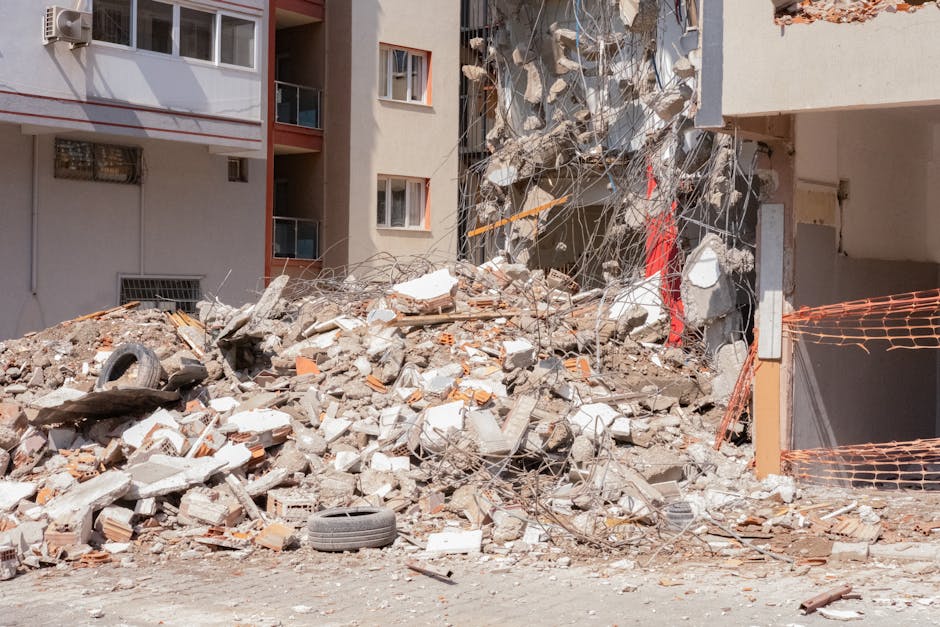
People often think the volume will be smaller than it is. Then the plasterboard comes down, the old kitchen comes out, the packaging arrives, and the pile starts looking very serious indeed.
Ignoring access constraints
Shoreditch streets are not always forgiving. If the waste plan assumes endless roadside space or easy loading, it can fall apart the first time a delivery vehicle blocks the route.
Blocking the site with temporary storage
Sometimes waste is parked wherever there is room. The trouble is that "temporary" can quietly become "all week." Once that happens, trades slow down and the job feels more chaotic.
Not checking what can and cannot be handled
Different waste streams may need different handling. If you are dealing with things like plasterboard, electrical components, or bulky fixtures, check the handling approach before the pile gets out of hand. Better safe than improvising in the rain, frankly.
Tools, Resources and Recommendations
You do not need a warehouse of specialist equipment to manage builders waste properly, but a few basic tools and habits help a lot.
- Heavy-duty rubble sacks for smaller debris and awkward offcuts
- Wheelbarrows or trolleys for moving material from upper floors
- Protective gloves and footwear for anyone handling sharp or heavy waste
- Floor protection for hallways, lifts, and shared access routes
- Clearly marked staging areas so waste does not spread across the site
- Basic sorting labels for rubble, timber, metal, and mixed waste
On the service side, it is worth reviewing practical support pages before work begins. The site's pricing and quotes information can help you understand how jobs are typically assessed, while insurance and safety details are helpful if you want to check the practical side of working with a removal provider. For projects where environmental handling matters, the recycling and sustainability page gives useful context too.
If your renovation overlaps with business premises, landlord duties, or a mixed-use building, you may also find commercial waste removal in Shoreditch relevant. And if the job involves an end-of-project tidy rather than ongoing strip-out, rubbish collection in Shoreditch can be the simpler fit.
Law, Compliance, Standards, or Best Practice
This section matters because waste handling is not just a practical issue. In the UK, construction waste has to be managed responsibly, and anyone arranging disposal should be sure they are using a proper, compliant service. You do not need to become a legal expert to do the basics well, but you should be careful.
A sensible approach is to make sure your waste is collected and handled by a provider with the right permissions and procedures. The page on waste carrier licence and compliance is a useful place to understand the importance of using an appropriately licensed operator. That is one of those dull-looking details that can save a lot of trouble later.
Best practice usually means:
- keeping different waste types as separate as practical
- avoiding unsafe storage in access routes or common areas
- making sure loads are secure and not overpacked
- using a provider that can explain how the waste is handled
- keeping records or confirmation where appropriate for project management
It is also wise to consider the safety of people on site. Sharp debris, unstable piles, and overloaded bags can create problems quickly. If a building has shared entrances, narrow stairs, or fragile finishes, care matters even more. In many cases, the most responsible choice is the one that reduces handling, shortens the time waste sits around, and keeps the site tidy as work progresses.
Practical note: if you are unsure about a particular material, do not guess. Ask before it is mixed in with everything else. That one step can prevent a lot of confusion.
Options, Methods, or Comparison Table
There is no single waste removal method that suits every Shoreditch renovation. The best choice depends on access, volume, timing, and how disruptive the works are likely to be. Here is a straightforward comparison.
| Method | Best for | Strengths | Trade-offs |
|---|---|---|---|
| Phased collections | Projects that generate waste in stages | Keeps the site clear and reduces bottlenecks | Needs regular planning and coordination |
| Single end-of-job clearance | Smaller, straightforward refurbishments | Simple to organise and easy to budget around | Waste can build up and slow the project |
| Mixed-load removal | General renovation debris | Flexible and convenient when waste types are varied | Less efficient than separation if materials are cleanly sorted |
| Sorted material handling | Sites with higher recycling potential | Better organisation and often cleaner site flow | Requires more discipline from the team |
| Quick same-day clearance | Urgent tidy-ups or access recovery | Fast relief when the site is blocked | Not always the best long-term plan for ongoing works |
If you are dealing with a short-notice build stage or a tight programme, the idea of same-day collection can be especially helpful. There is a related article on same-day rubbish collection and removal options in Shoreditch that may help if speed is your main concern.
Case Study or Real-World Example
Picture a small flat renovation near Old Street: the owner is updating a dated kitchen, replacing flooring, and removing a couple of built-in storage units. On paper, it looks manageable. A few days in, though, the reality is different. Old cabinets take up more room than expected, broken tiles are everywhere, and the hallway starts filling with sacks because the team does not want to carry everything out one bag at a time in the middle of the day.
By the middle of the project, access becomes awkward. Delivery boxes pile up in the entrance. The crew has to keep shifting waste to make space for new materials. Nobody is doing anything wrong, exactly, but the site feels busy in the worst possible way.
Once the waste plan is tightened up, things settle. Rubble is cleared earlier. Timber and packaging are separated. The front entrance stays clearer. Trades stop wasting time moving the same items around, and the project feels calmer. Not glamorous, but very real.
That is the difference a sensible waste plan makes. It is not just about disposal at the end. It changes the daily rhythm of the work, and on a Shoreditch street, rhythm matters. A lot.
Practical Checklist
Use this checklist before and during your renovation to keep builders waste under control.
- Confirm what type of waste the renovation is likely to produce
- Estimate how often waste will need to leave the site
- Check access routes, parking pressure, and loading points
- Decide which materials can be separated in advance
- Protect floors, entrances, and shared areas
- Assign one person to oversee waste decisions
- Keep sacks and staging areas from spreading into work zones
- Review safety needs for sharp, heavy, or awkward items
- Use a compliant waste carrier or clearance provider
- Schedule removals before the site becomes cramped
- Do a final sweep at the end so nothing is left behind
Quick reminder: if the site starts feeling cluttered, it usually already is. That is the moment to act, not the moment to wait and see.
Get a free quote today and see how much you can save.
Conclusion
Old Street and Shoreditch renovations reward good planning, and waste removal is one of the areas where a little foresight goes a long way. When debris is managed properly, the site stays safer, trades work more efficiently, and the whole project feels far less stressful. That is true whether you are stripping out a flat, refreshing a shopfront, or tackling a larger fit-out with tight access and plenty of moving parts.
The key is to treat builders waste as part of the build, not a separate problem to sort out later. Plan for the volume, respect the access, keep the site tidy as you go, and use a compliant removal approach that suits the pace of the work. Do that, and you give yourself a much smoother run from first knock-through to final clean. And honestly, that calm finish is worth quite a lot.
In a neighbourhood that never really stands still, a well-managed renovation stands out for the right reasons.

 Tipper Van - Rubbish Removal and Builders Waste Clearance Prices in Shoreditch, N1
 Luton Van - Rubbish Removal and Builders Waste Clearance Prices in Shoreditch, N1